In my experience, if you ask someone what’s is one of the biggest contributors to climate change, they will usually say ‘flying’ or ‘international travel’. This is likely because a huge metal freight propelling people and cargo through the sky at incomprehensible speeds just seems power intensive and therefore obviously polluting. Yet, I think it’s also in-part because flying is not an activity most people do more than once or twice a year – and that’s if they’re lucky – so to believe it’s one of the worst offenders makes them feel better about their individual environmental impact.
In reality, only around two-three percent of global greenhouse gas emissions come from the aviation industry*. This is actually much lower than other areas, such as surface transport – cars, busses, and heavy goods vehicles that transport the things we buy around – that accounts for around 10% and electricity and heat generation which are responsible for around 25%. Looking specifically at the UK, 22% of its GHG emissions come from land transport and 7% from aviation. However, it’s worth noting that this isn’t evenly spread among the population, with certain people, such as those that travel internationally for work and the more wealthy, accounting for more of this carbon impact than others. In fact, research suggests In the UK, 70% of flights are made by a wealthy 15% of the population, with 57% not flying abroad at all. So no need to feel too guilty about your annual trip to the continent.
Due to its lesser impact, the aviation industry isn’t where governments with net zero targets are focusing first. In fact, because it is so technologically challenging to achieve net zero or carbon neutral aviation, it is expected to be one of the last sectors to decarbonise. But work is underway to find solutions.
One way to reduce flyings’ carbon impact is to replace kerosene fuel, which is used to power jet engines, with sustainable aviation fuel – known as SAF – or blend the two together. SAF is made from renewable feedstocks such as waste oils and agricultural residue and can lower carbon emissions by 70% compared to conventional jet fuel. The problem is, currently it is around three times as expensive and production is only 0.05% of total EU and UK jet fuel consumption. The EU are considering incentivising more use of SAF by applying taxes on more polluting jet fuel, such as kerosene.
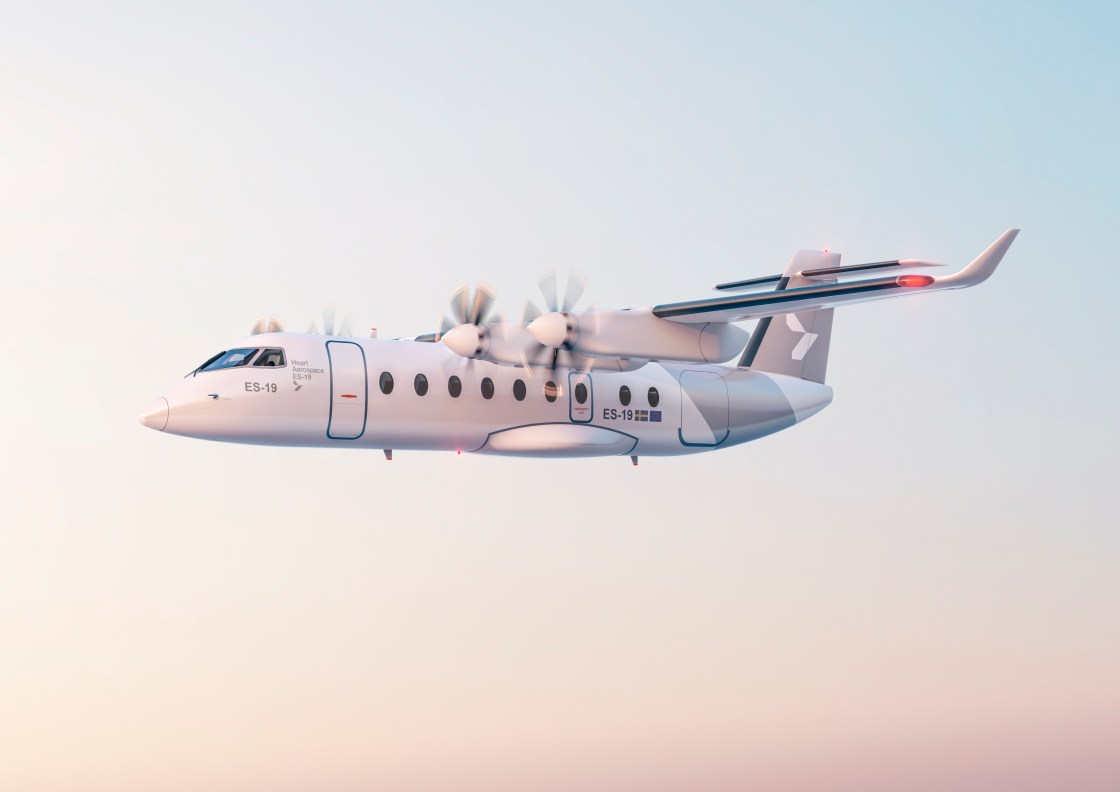
Other ways aviation will be decarbonised is from battery powered planes and hydrogen – but this will be much further down the line. Beyond 2035 for hydrogen, according to expert estimates. Though we may see short domestic flights go electric sooner rather than later. A major US airline, United Airlines, in July announced it would buy 100 19-seat electric planes that are zero emission and can fly customers up to 250 miles. They’re expected to be operational in 2026.
Overall, decarbonising aviation is complicated and costly, and, like so many other things, is reliant on government policy and funding streams to incentivise the industry and investors to make and pay for the necessary changes. The EU has already ended jet fuel’s tax exemption (though inexplicably kept it for private planes).
Bearing this all in mind, will decarbonisation efforts make flying more expensive for the masses? “That’s what our modelling currently foresees,” say Bram Peerlings, consultant for sustainable aviation at Netherlands-based research centre NLR and co-author of a report on decarbonising aviation, called Destination 2050. “Though it’s possible companies might decide to internalise some of those costs.”
All of this is not to say that people should start flying more, but it’s good to put things into context. I recently went to central France from the UK and chose to take the Eurostar and a 3.5 hour local train, rather than fly, even though the latter would have been much, much quicker. But this decision was in large part because reaching my final destination involved a six-hour round drive for the person picking me up from the airport, so combined with the aeroplane I assumed this would have been far worse emissions wise.
I got the information for this article from research and interviews I did for a related article that was published in The Times and on Raconteur.net.
*It’s also important to note that scientists don’t fully understand all the environmental impacts of aviation (such as of methane and other gases). One paper recently suggested it could be twice that of the carbon impacts. More research needs to be done.
Main image: Mock up image of the fully electric planes United Airlines plans to use in 2026.
 Climate Change Site