Thanks to David Attenborough and Blue Planet, we are all aware of the problem of plastic polluting the world’s oceans.
It is estimated that every year around 8 million tons of plastic waste enters into oceans from coastal regions. It’s having a profound effect; this story about scientists recently identifying microplastic particles in the placentas of unborn babies is particularly disturbing. I recently wrote a feature about recycling ocean plastics and discovered some interesting things
What to do about the problem?
There are some brilliant efforts to prevent discarded plastic entering the ocean and to recycle and reuse it instead.
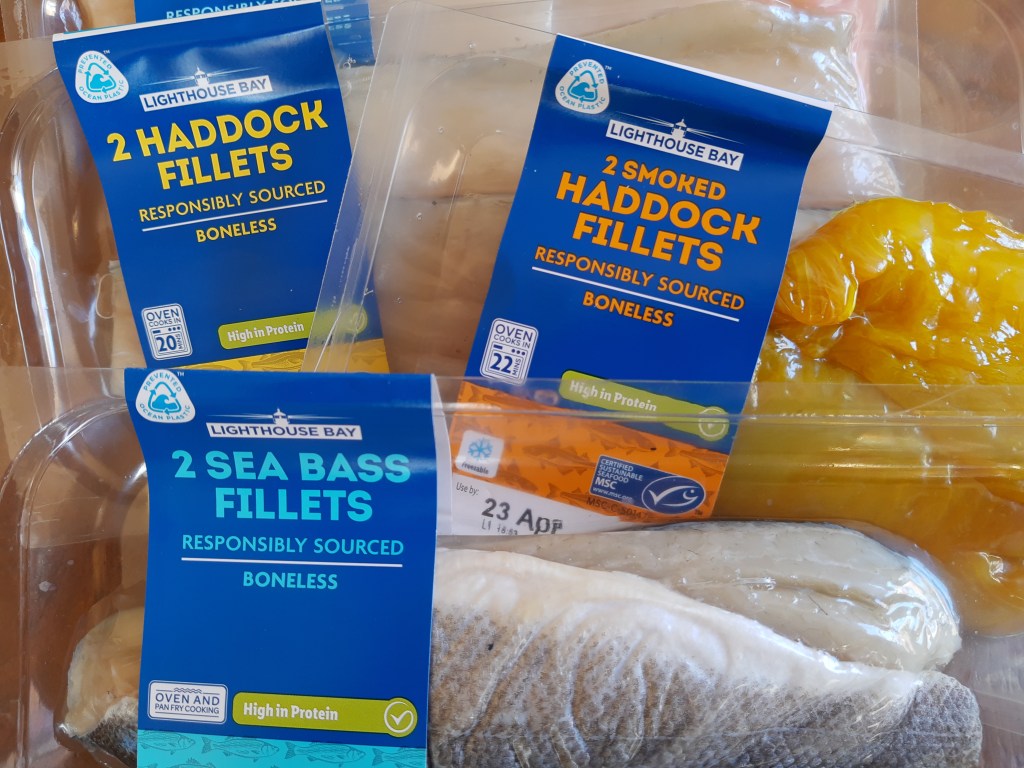
Last year Lidl UK decided that 50% of the company’s fresh fish packaging will use ‘prevented ocean plastic’, basically recycled plastic that would probably otherwise have ended up in the ocean.
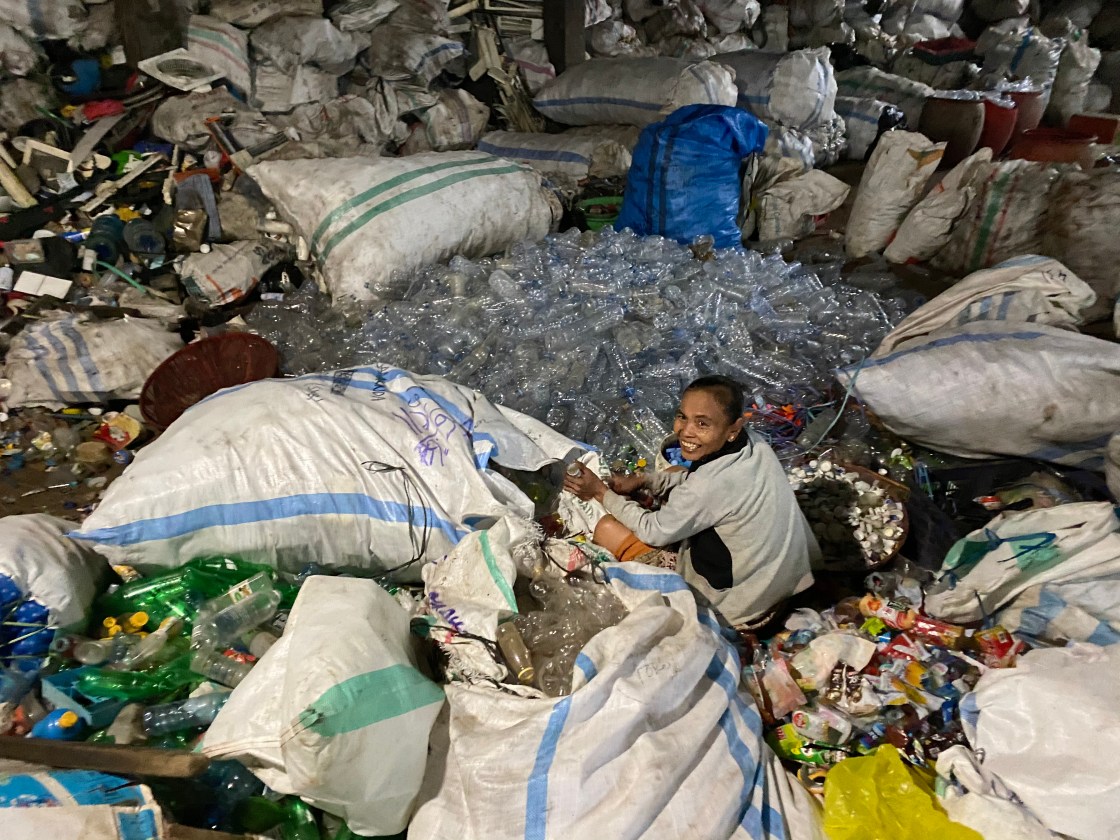
Eighty-to-ninety percent of plastic that enters the ocean is found on the coasts and waterway of developing nations, such as Indonesia and Malawi. In some of these areas, local people are making a business out of collecting and recycling this plastic. [It’s worth noting quickly here that once plastic is in the ocean, it cannot be recycled. It degrades too much and is rendered unusable, though, there are some company advertising that misconstrues this fact and makes it seem as if plastic is being taken out the ocean and reused when it isn’t.]
Before prevented ocean plastic can be used in the UK and other countries the product quality and collection processes must be checked (for example, to ensure it’s not being collected by children). US-based OceanCycle is one company doing this. I really recommend checking out their Instagram page where you can see one of the co-founders visiting the coast lines and recycling centres where the plastic comes from.
The plastic Lidl uses in its packaging is sourced by Prevented Ocean Plastics and Bantam Materials, who work with OceanCycle. I also recommend visiting their website for some mesmerising videos of plastic being sorted, it’s quite relaxing for some reason.
I spoke with UK-based Raffi Schieir, director of both Prevented Ocean Plastics and Bantam, who is really passionate about bringing plastic that would otherwise end up in the ocean to be used in mainstream packaging. In particular, he was really keen to stress that the material is not much more expensive than virgin plastic and no more expensive than plastic recycled in Europe.
“Some companies are trying to say because the material comes from a coastal region it needs to be twice the price, but that’s just marketing. When charged a normal price brands can shift away from using new plastic towards using recycled ocean-bound plastic,” he says.
Adding: “New plastics are only one-tenth of a penny less expensive than recycled ocean bound plastic – it’s so fractionally small but because the consumer is not aware of the difference between what’s new plastic, and what’s recycled, the consumer doesn’t show preference,” says Schieir.
Another challenge, he adds, is that there is a bias material from developing countries, Indonesia for example, is of less quality compared to Germany and so should be cheaper. This is nonsense, the certifying processes ensure quality, he says.
Bantam and Prevented Ocean Plastics are also working with Boots and, according to Schieir, in the next year ‘every major supermarket in the UK’, to make up the ‘largest ocean plastic prevention programme in the world, by a factor of ten.’
Get involved
In the grand scheme of packaging it is still quite small, so how can you as a consumer support the use of recycling plastic that would otherwise probably end up polluting the ocean?
Schieir says use your consumer power to buy products that are sustainably packaged – but also don’t pay more for it, because you shouldn’t need to.
“It’s for the consumer to understand and start seeking products in recycled packaging and using recycled content – consumers can get behind packaging and seek it out,” he says.
As always, be vocal about what you want as a consumer – Tweet/ write/ email supermarkets and the government – and support companies that are making the effort to be sustainable and mindful of their impact on the planet.
Of course, legislation will also help compel brands to act. In the UK and EU in April 2022, to increase demand and encourage the use of recycled plastic content, a plastic packaging tax will apply to producers of packaging that does not contain at least 30% recycled plastic, whether imported or manufactured in the UK or the EU.
 Climate Change Site