NEWS
UK Government Budget
In the recent budget statement, the UK government decided not to raise fuel duty (so it will remain at 2011 levels), this is surprising given land transport emissions are our highest. It also cut air passenger duty on domestic flights to help its ‘levelling up’ agenda. However, this seems like a lazy way to level-up, why not invest more in locally?
Nevertheless, this week the government announced it will spend more than £1bn (not new spending but it is now being allocated) helping schools, hospitals and industry to reduce greenhouse gas emissions and encourage the growth of new low-carbon technologies in the UK.
Losing the Amazon
The Amazon rainforest is most likely now a net contributor to warming of the planet, according to a first-of-its-kind analysis from more than 30 scientists, as reported by The Guardian. This is concerning as the destruction of the amazon rainforest is considered a dangerous tipping point in the more devastating of climate change scenarios. See the ‘Science and Stuff’ section to understand what a ‘tipping point’ is.
UK is ‘Halfway’ to Meeting its Climate Change Targets
Britain is halfway to its goal of being carbon neutral by 2050, The Times revealed. Greenhouse gases have fallen by 51 per cent against the government’s baseline for measuring progress towards net zero, an analysis of official data revealed.
Great news! Though I would add that I don’t think international aviation is included in these calculations and it does not cover things we consume or buy made in other countries, which is obviously quite a considerable contribution to our climate impact.
TOOL OF THE WEEK – CHECK AIR POLLUTION ON YOUR STREET
This new website – addresspollution.org – allows you to check pollution levels on your street. Unsurprisingly, Streatham High Road was categorised as ‘high’ and as exceeding the World Health Organisations recommended limits. Using the tool, Guardian journalists have found nearly 8m addresses are affected by high levels of toxic particulates and nitrogen dioxide.
A government review of air pollution has identified it as the biggest environmental threat to health in the UK, with between 28,000 and 36,000 deaths a year attributed to long-term exposure. FYI, there is strong evidence that air pollution causes the development of coronary heart disease, stroke, respiratory disease and lung cancer, and exacerbates asthma.
TIP OF THE WEEK – BUY WINE BOTTLED IN THE UK
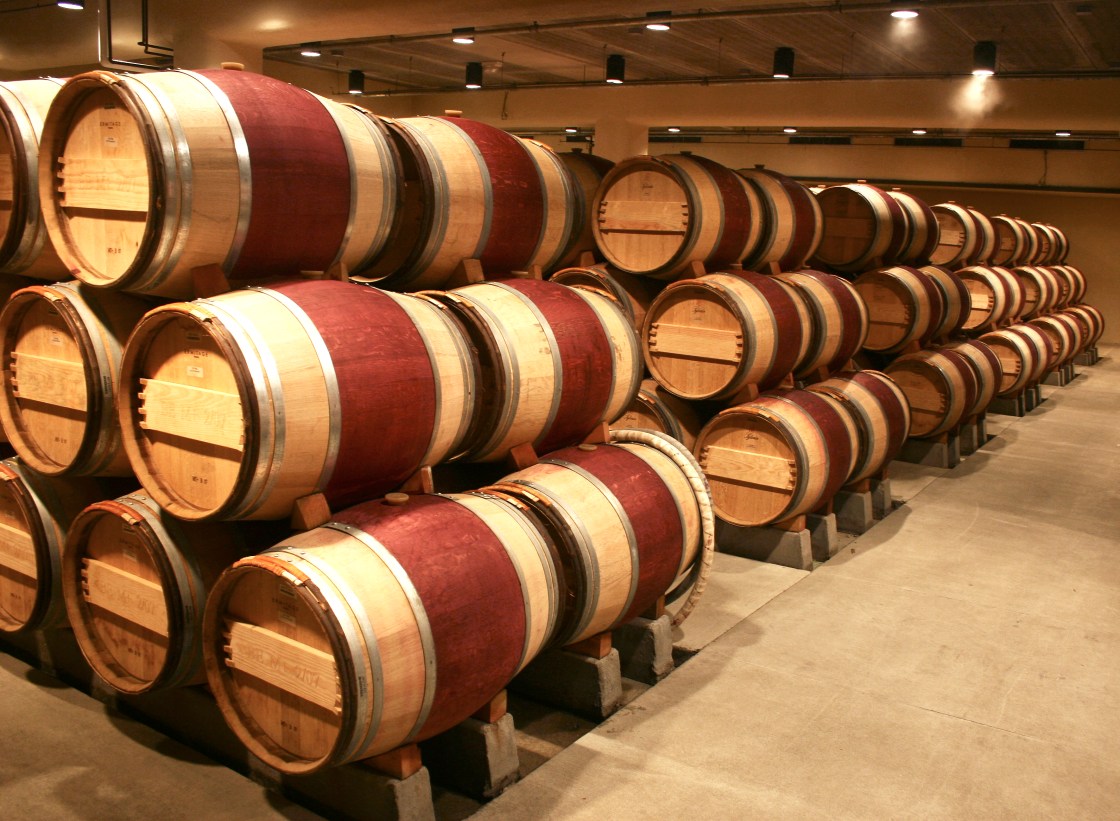
I love wine. If you do too, before you buy a bottle, have a look at the label and check out where it is bottled. Many wines are produced abroad – Chile, France etc – but bottled in the UK. Bottling in Blighty, or closer to where the wine is consumed, saves a considerable amount of energy during its transportation (glass is heavy). Below you can see the labels of two Chilean wines – one bottled in Chile (marked in green) then shipped here, another bottled in the UK (marked in yellow).


QUOTES FROM MY CONVOS
“Let’s face it, it’s the lesson from COVID isn’t it: you listen to the scientists and act early,” says Sean Kidney, CEO, Climate Bonds Initiative about the global effort to combat climate change. In my article about natural gas’s future in the energy mix he was arguing we should be moving away from the fossil fuel quicker and instead ‘listening to the scientists.’
Aniruddha Sharma, CEO at Carbon Clean Solutions, a company that makes carbon capture technology, told me he wished more money promised to the Green Climate Fund which was established at the Copenhagen climate change conference in 2009, which Sharma attended as an ‘Indian youth’, would be given. Through the fund developed nations were to provide were to provide $100bn a year to help developing nations, like India, decarbonise quicker. The target has not been met.
“Funding needs to flow from the rich countries to the emerging countries, so they can start working towards decarbonising,” says Sharma. “Without funding from the developed countries it will be very hard to convince the developing countries to take strict action on decarbonisation.”
Sharma highlights a huge problem developing nations face of needing to provide jobs and access to electricity to their growing populations “without putting out enough carbon to break the world,” as Ajay Mathur, a former Indian climate negotiator, recently, rather succinctly put it. The incentive for the richer nations to help out is that our efforts will be for nothing if the developing nations don’t decarbonise alongside us.

